Is Peru safe? is the first question most travelers ask, and the answer they usually get is unhelpfully vague. Peru is generally safe but that sentence alone tells you almost nothing useful.
The reality is more specific: Peru has real safety considerations that a well-prepared traveler can manage easily, and others that are overblown by news coverage and outdated forum posts. This guide separates the two so you can make an informed decision rather than an anxious one.
Peru safety at a glance
| Overall safety level | Moderate comparable to other South American destinations |
| Main tourist areas | Cusco, Sacred Valley, Machu Picchu, Arequipa generally safe and well-patrolled |
| Primary risk | Petty theft in crowded markets and bus stations |
| Altitude risk | Real. Cusco at 3,400m. Acclimatization required for all travelers. |
| Political situation | Stable for tourists in 2026. Monitor travel advisories before departure. |
| Solo travel | Possible and common, especially on well-established tourist routes |
| Solo female travel | Possible with standard precautions. More comfortable with a guided group. |
| Emergency number | 105 (Policia Nacional del Peru). Tourist Police: 01-460-1060 |
The risks that are real and how to handle them
Petty theft
This is the most common safety issue in Peru. Pickpocketing happens in crowded markets, bus terminals, and busy squares. It is entirely preventable with basic precautions:
- Use a money belt or inner pocket for cash, cards, and your passport
- Do not leave phones on restaurant tables or in open pockets in markets
- Distribute your cash across two different places never carry everything in one wallet
- Use ATMs inside banks or shopping centers, not standalone street machines
- Be aware in Cusco's San Pedro market and Lima's historic center
Transportation
Unofficial taxis are one of the more genuine risks in Peru. Travelers have been robbed by drivers posing as taxis, particularly in Lima. This risk is nearly eliminated by using ride apps InDriver and Uber both work in Lima and Cusco or pre-arranged transfers from your hotel or travel agency.
Long-distance buses in Peru range from excellent to genuinely dangerous. Reputable companies like Cruz del Sur and PeruHop are reliable. Cheap overnight buses on mountain routes are not.
Altitude sickness
This is not a safety issue in the traditional sense, but it is the most common reason trips go wrong. Flying directly from sea level to Cusco and trying to do a full day of activities is a reliable way to spend your first two days in bed. Altitude sickness can range from uncomfortable headaches to serious medical emergencies at very high elevation.
The solution is built into a good itinerary: arrive in Lima first, acclimatize in Cusco for 24 to 48 hours before strenuous activity, and do not attempt high-altitude treks without preparation. A knowledgeable local travel partner designs your schedule with this in mind from the start.
Scams targeting tourists
Common scams in Peru are financial, not violent. The most frequent ones:
- Shoe shiners who apply polish without being asked, then demand payment
- Unofficial tour guides at ruins who offer cheap entry and deliver a low-quality experience
- Currency exchange at poor rates by street changers
- Taxi drivers who add unexpected charges at the end of a ride
All of these are avoided by using official channels: licensed guides, official entry tickets purchased in advance, and bank exchange rates. When you book through a reputable agency, these situations simply do not arise.
The risks that are overblown
Violent crime in tourist areas
Violent crime against tourists in Peru's main destinations is rare. Cusco, the Sacred Valley, Machu Picchu, and Arequipa are well-patrolled tourist zones where serious incidents are uncommon. Stay in established neighborhoods Miraflores and Barranco in Lima, the historic center in Cusco and avoid wandering into unfamiliar areas at night.
Political instability
Peru experienced periods of unrest that affected travel between 2022 and 2023. By 2025 and into 2026, the situation in tourist-facing regions has stabilized significantly. Check your government's travel advisory in the weeks before departure not two years before you travel.
Food safety
Peruvian food is extraordinary and generally safe in established restaurants. Drink bottled or filtered water, avoid raw produce from street vendors, and eat at places with high turnover. The risk is minimal relative to the reward Peru has one of the best food cultures in the world.
Is Peru safe for solo travelers?
Yes. Peru is one of the most visited countries in South America and has well-developed tourism infrastructure on its main routes. Solo travelers regularly complete the Inca Trail, visit Machu Picchu, and explore Cusco without incident.
The main adjustment is being deliberate about transportation. Using apps, staying in well reviewed accommodation, and joining small guided groups for day activities reduces any meaningful risk significantly.
Is Peru safe for solo female travelers?
Peru is manageable for solo female travelers, with specific precautions. Street harassment exists, particularly in smaller towns. Evening outings are more comfortable in groups or with a companion. The major tourist routes Cusco, Sacred Valley, Machu Picchu are generally safe.
Many female travelers find that traveling with a small guided group, even if otherwise independent, significantly improves both safety and the overall experience quality. Having a local contact reachable throughout the trip makes a meaningful difference.
Traveling to Peru and want to get it right?
The fastest way to avoid every risk on this list is to travel with a local expert who handles the logistics. We design tailor-made trips for travelers from the USA, UK, Canada, and Europe and we stay in contact throughout your journey, not just before it Ask us anything on WhatsApp we respond within a few hours
How to travel Peru safely the practical list
Before you leave
- Register with your government's travel advisory service (Smart Traveler for USA, FCDO for UK)
- Get travel insurance that covers altitude-related medical evacuation not all policies do
- Consult a travel medicine doctor about altitude medication, vaccinations (Hepatitis A, Typhoid), and water safety
- Make digital copies of your passport, insurance, and travel documents
- Book Machu Picchu tickets in advance they cannot be purchased at the gate
Once you arrive at your destination
- Use only official taxis, Uber, or pre-arranged transfers never accept rides from drivers who approach you
- Keep a small amount of local currency separate from your main cash and cards
- Let someone know your daily itinerary if you are traveling independently
- Carry a photocopy of your passport for daily use keep the original in your hotel safe
- Trust your instincts if something feels wrong, it probably is
What a well organized trip does for your safety
Most of the risks associated with traveling Peru are logistical, not random. Bad transportation, unofficial guides, last-minute ticket situations, rushed itineraries at altitude these create vulnerability.
A tailor-made trip with a reputable local agency removes most of these variables by design. You do not negotiate taxis. You do not queue for tickets at 5am. Your guide knows the terrain, the altitude, and what to do if something changes.
The travelers who have bad experiences in Peru almost always have them because something that could have been arranged in advance was not.
Frequently asked questions
Do I need travel insurance for Peru?
Yes, and the type matters. Standard travel insurance often does not cover high-altitude medical evacuation, which can cost tens of thousands of dollars if required. Look for a policy that explicitly covers altitude-related illness and helicopter evacuation.
Is Machu Picchu safe?
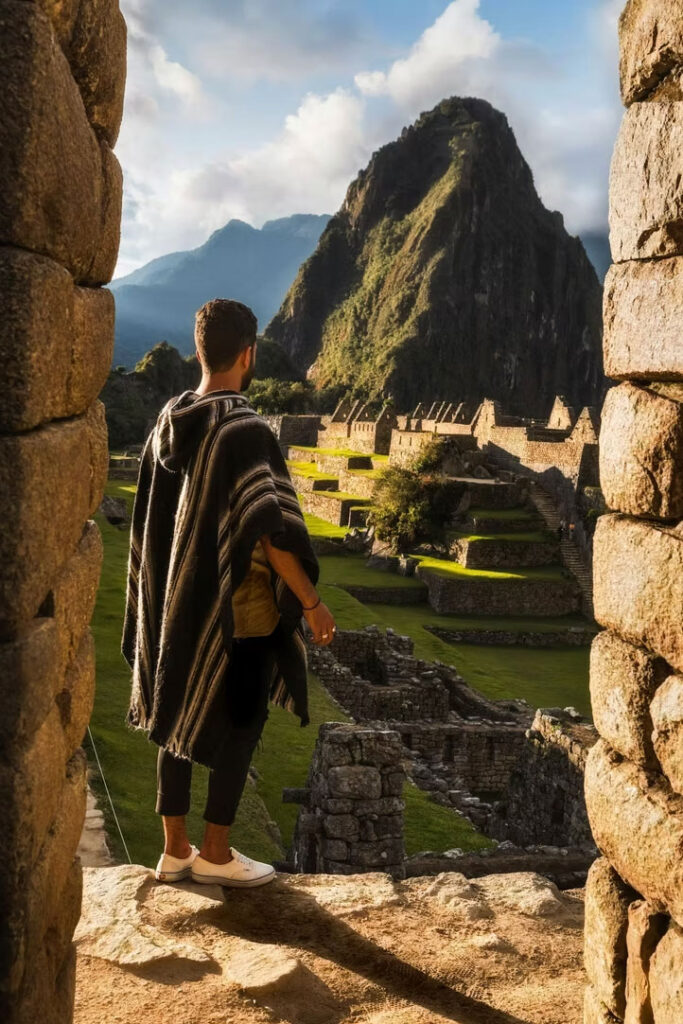
Yes. Machu Picchu and Aguas Calientes are among the safest places in Peru for tourists. The main issues are crowds, altitude, and weather. Arrive early, wear layers, and book your entry tickets well in advance.
Is Lima safe?
Lima is safe in its tourist facing neighborhoods Miraflores, Barranco, and San Isidro. The historic center is fine during the day. Use Uber or InDriver for all transport and do not hail taxis on the street.
What happens if I get sick in Peru?
Major cities have competent private hospitals and clinics. Cusco has several clinics experienced with altitude-related illness. Carry your insurance documents at all times. If your travel agency is reputable, they will have emergency contacts and know which clinics to use.
Should I be worried about crime in Cusco?
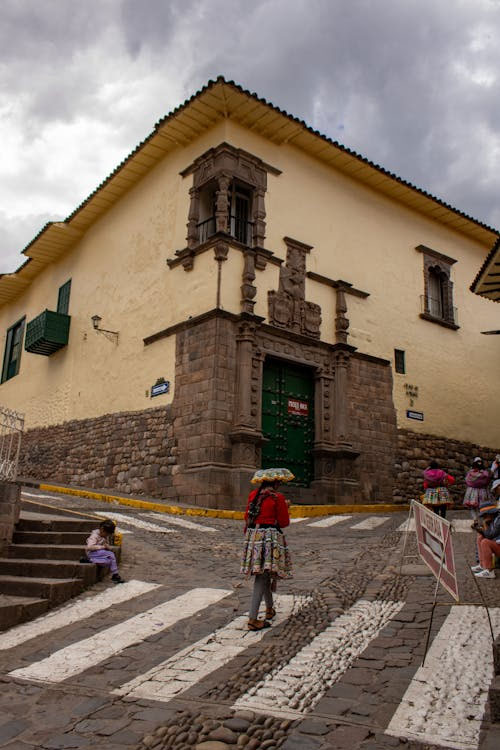
Cusco is one of Peru's safest cities for tourists. Petty theft happens in markets and around the main plaza. Violent crime against tourists is rare. Most travelers spend significant time in Cusco without any incident.
Ready to travel to Peru — safely and well?
At Across The Limit, we design tailor made experiences for international travelers who want to experience Peru the right way. We handle logistics, guides, tickets, and on the ground support. Write to us on WhatsApp we typically respond within a few hours. | Send us a message and receive your custom itinerary within 24 hours. No commitment. Just a conversation with people who truly know Peru