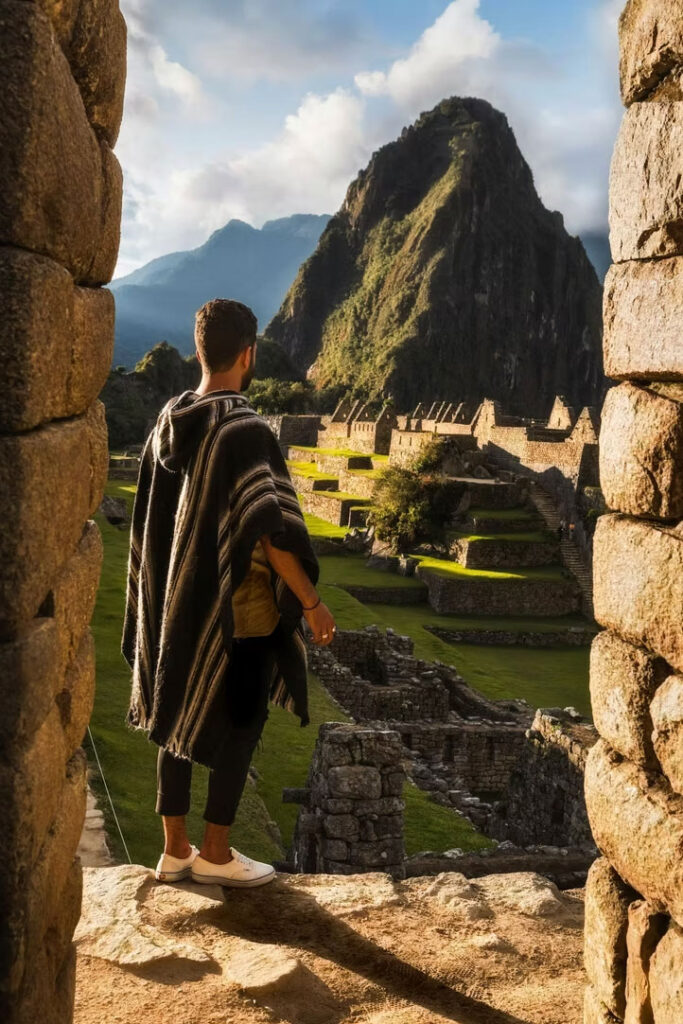
Planning a trip to Peru is one of the best decisions you can make as a traveler. It is also one of the most overwhelming the country is enormous, the altitude is real, the options are endless, and the gap between a well-organized trip and a poorly planned one is significant.
This guide covers everything a first-time traveler needs to know: how many days to spend, what to prioritize, when to go, how altitude actually affects your body, and how to choose a travel partner you can trust. No filler. No generic advice. Just the information that changes how you plan.
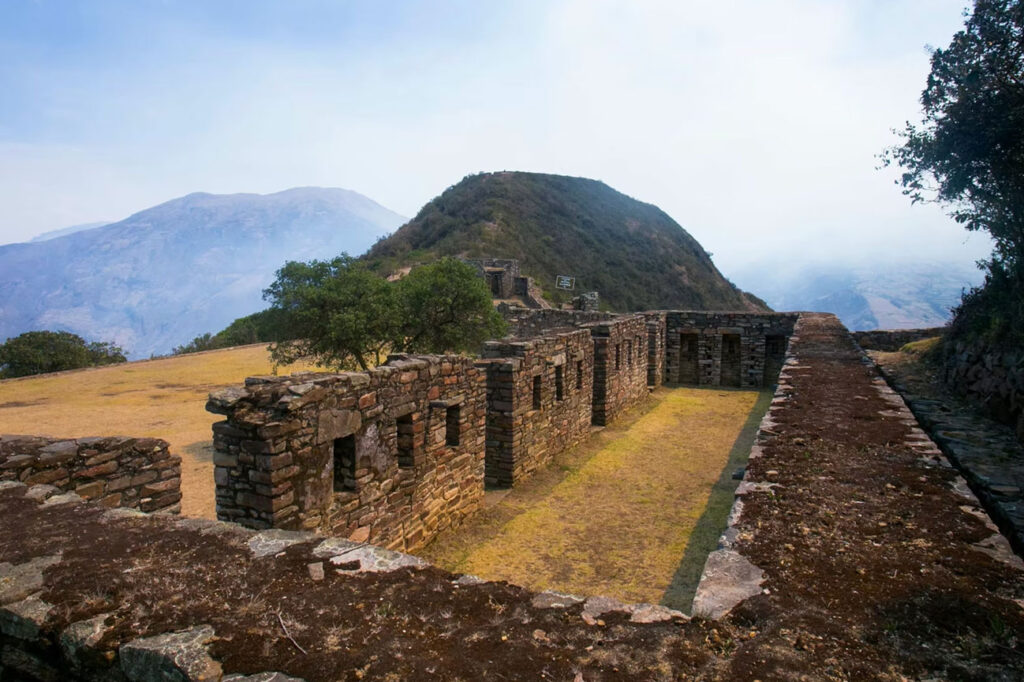
Peru trip at a glance
| Recommended duration | 10 to 14 days (first visit) |
| Main regions | Lima, Cusco, Sacred Valley, Machu Picchu, Colca Canyon, Arequipa |
| Best season | April to October (dry season) |
| Currency | Peruvian Sol (PEN). USD accepted in most tourist areas |
| Altitude concern | Cusco sits at 3,400 m (11,150 ft). Acclimatization required |
| Entry requirements | No visa required for USA, UK, Canada, EU (up to 90 days) |
| Main airports | Lima (LIM) as international hub. Domestic flights to Cusco (CUZ) |
| Language | Spanish and Quechua. English spoken in most tourism contexts |
How many days do you actually need in Peru?
The most common mistake first-time travelers make is underestimating Peru's size and overestimating how much they can fit into one trip. A realistic first visit looks like this:
- 2 days in Lima arrival, food, orientation
- 3 days in Cusco and the Sacred Valley acclimatization and culture
- 1 to 2 days at Machu Picchu
- 2 to 3 days in Arequipa and Colca Canyon
- 1 to 2 days buffer for transfers and rest
That brings you to 10 to 14 days minimum for a meaningful trip. Anything under 10 days means cutting destinations or rushing and rushing Peru defeats the purpose. If you have more time, destinations like the Ausangate Trek (5 days), Lake Titicaca, or the Peruvian Amazon can be added without feeling like a race.
The altitude question : what no one tells you
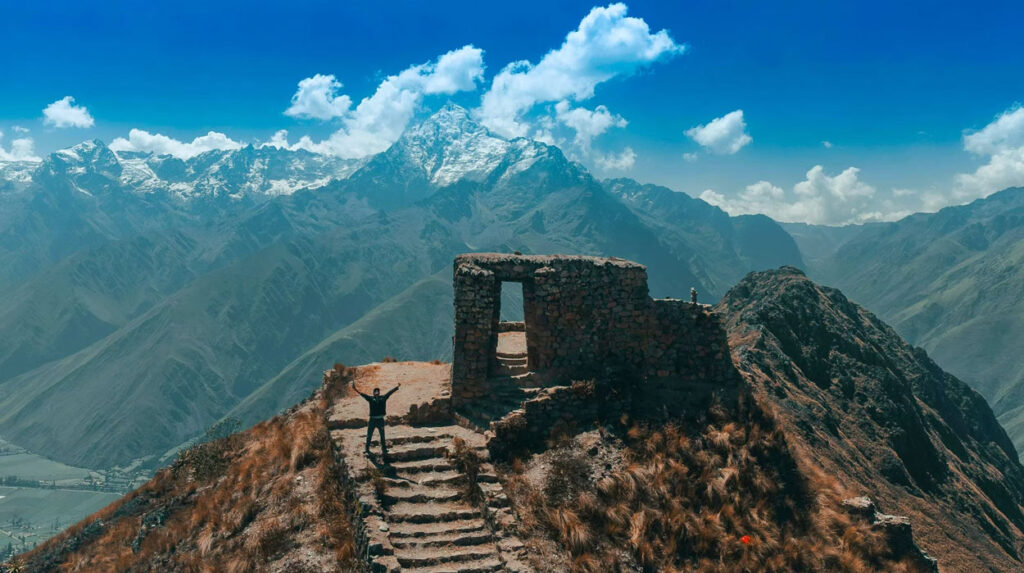
Cusco sits at 3,400 meters above sea level. Machu Picchu is at 2,430 meters. The Ausangate Trek crosses passes above 5,200 meters. Altitude is real, and ignoring it will derail your trip.
What actually happens: most travelers experience headaches, fatigue, and shortness of breath in the first 24 to 48 hours in Cusco. The mistake is arriving and immediately going on a full-day tour.
How to handle altitude properly
- Fly into Lima first and spend 1 to 2 nights before heading to Cusco
- Spend the first day in Cusco doing very little walk slowly, drink water, avoid alcohol
- Start with lower-altitude sites in the Sacred Valley before going higher
- Consult a doctor about altitude medication (Acetazolamide) before departure
- Coca tea is available everywhere in Cusco and helps with adaptation
A good itinerary builds acclimatization in naturally. This is one of the most important things a local travel partner can design for you and one of the things that separates a well-planned trip from one that gets ruined on day two.
Best time to visit Peru by region
Peru has two main seasons, and the right time to visit depends entirely on what you want to do.
Dry season: April to October
Clear skies, no rain on the trails, and the best conditions for Machu Picchu, the Sacred Valley, and any Andean trekking. May, June, and July are peak months. Expect crowds at major sites and higher prices. Book 3 to 4 months in advance.
Wet season: November to March
Fewer tourists, lower prices, and lush green landscapes. Machu Picchu is open year-round and can be even more dramatic in the mist. However, high-altitude trekking routes become more challenging and some trails may close.
What most travel guides miss
The shoulder months April and October are often the best of both worlds. Trails are clear, crowds are manageable, and prices are more reasonable than peak season. If your dates are flexible, these are the months to aim for.
What to prioritize on a first trip to Peru
Non-negotiable
- Machu Picchu: yes, it lives up to the hype. Book your entry ticket in advance; slots sell out weeks ahead in peak season
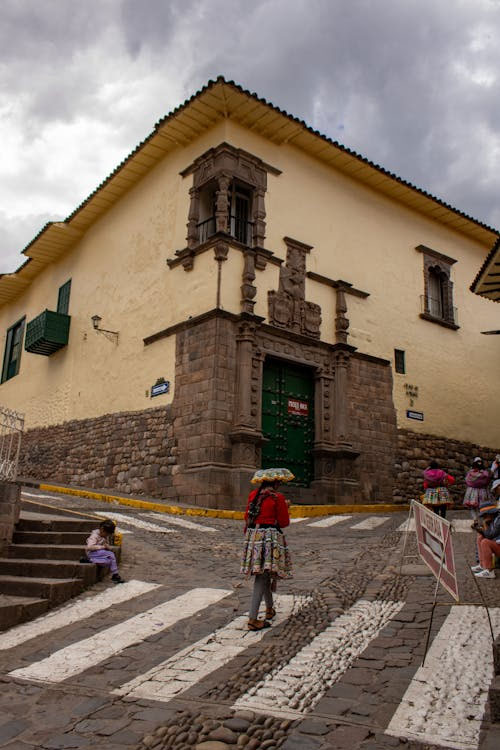
- Cusco : the city itself is extraordinary. Allow at least 2 full days, not just an afternoon
- Sacred Valley: Pisac, Ollantaytambo, and Moray are often better than Machu Picchu for cultural depth without the crowds
Worth it if you have time
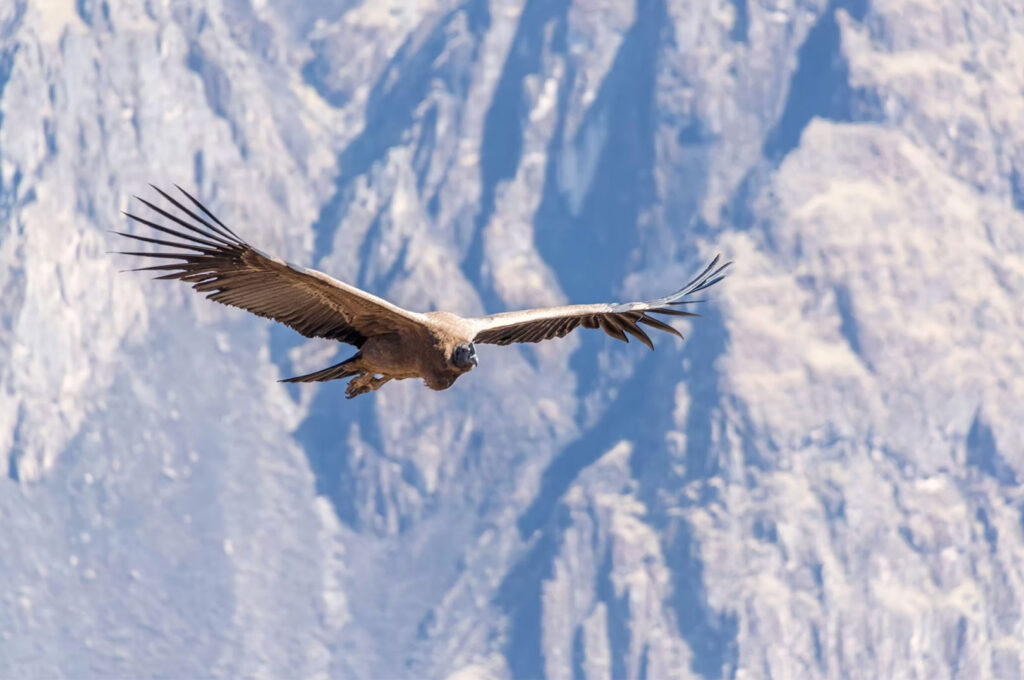
- Colca Canyon near Arequipa: one of the world's deepest canyons, condors, very few tourists
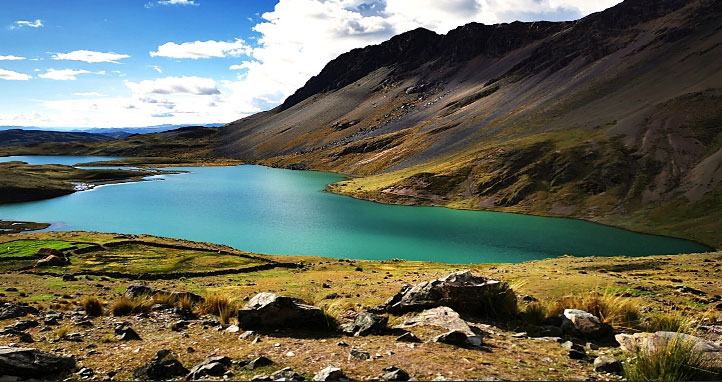
- Palcoyo Rainbow Mountain : the quieter alternative to Vinicunca, equally spectacular
- Ausangate Trek : 5 days, glacial lagoons, 5,200m altitude, for travelers who want something very few people do
Skip on a first visit
- Trying to combine Peru with Colombia or Ecuador in the same trip you end up in airports more than anywhere
- Chasing the Inca Trail lottery permits sell out months ahead; alternatives like the Salkantay or Lares Trek are equally powerful
Planning your first trip to Peru?
We design tailor-made itineraries for travelers from the USA, UK, Canada, and Europe. Tell us your dates, your interests, and your group we will build a proposal within 24 hours. No commitment required. Write to us on WhatsApp or use our contact form
Sample 12 day Peru itinerary first visit
| Days 1 and 2 | Lima. Miraflores, Barranco, Peruvian gastronomy. Arrival and orientation. |
| Days 3 and 4 | Cusco. City exploration, San Blas, Sacsayhuaman. Full acclimatization. |
| Day 5 | Sacred Valley. Pisac market, Ollantaytambo, afternoon transfer to Aguas Calientes. |
| Days 6 and 7 | Machu Picchu. Early morning entry for sunrise. Optional Sun Gate hike. |
| Days 8 and 9 | Arequipa. Santa Catalina Monastery, food scene, colonial architecture. |
| Days 10 and 11 | Colca Canyon. Cruz del Condor viewpoint, hot springs, village visits. |
| Day 12 | Return to Lima. International flight connection home. |
This is a starting framework. Every itinerary we build is adjusted around your travel dates, group size, physical fitness, and what matters most to you. The structure adapts that is the point.
How to choose a travel agency in Peru: the honest guide
The Peru tourism market ranges from excellent to genuinely dangerous. Here is how to evaluate any agency before giving them your money.
What to look for
- Do they respond personally, or with a template?
- Do they ask about your fitness level, interests, and travel style or just send a price list?
- Are they clear about what is and is not included? Hidden costs are the most common complaint.
- Do they provide on the ground support during the trip, or only pre-trip communication?
- Are guides licensed and bilingual?
Red flags
- Prices significantly below market rate corners are being cut somewhere
- Pressure to book quickly or lock in a price
- No verifiable reviews from international travelers
- No clear process for emergencies during your trip
A premium travel experience in Peru is not about luxury hotels. It is about logistics that work, guides who know the culture deeply, and a partner who is reachable at any point during your trip.
Frequently asked questions
Do I need a visa to visit Peru?
Citizens of the USA, UK, Canada, Australia, and most European countries do not need a visa for Peru. You can stay up to 90 days as a tourist. Check your specific country's requirements before travel.
Is it safe to travel to Peru?
Yes, for well-organized travel. The main risks are petty theft in crowded areas and issues from poor logistics. Traveling with a reputable local agency eliminates most of these risks entirely.
How much does a trip to Peru cost?
A well planned 12-day trip from the USA typically costs between $3,500 and $7,000 per person, including flights, accommodation, activities, and a private guide. Budget travel is possible but involves significant trade-offs in logistics quality.
Should I book independently or through an agency?
For a first trip to Peru, a local agency is strongly recommended. Machu Picchu tickets, train reservations, and trekking permits all require advance booking and local knowledge. A good agency handles all of this while adapting the trip to your pace.
Can I visit Machu Picchu without a tour?
Yes, but it requires planning. Entry tickets must be purchased in advance online and can sell out weeks ahead in peak season. A guide is optional but highly recommended Machu Picchu without context is a beautiful ruin; with a knowledgeable guide it becomes a living story.
Ready to start planning your Peru trip?
At Across The Limit, we design tailor-made itineraries for travelers from the USA, UK, Canada, and Europe. We handle every detail so you can focus on the experience. Write to us on WhatsApp we respond within a few hours Send us a message proposal ready in 24 hours No commitment required. Just a conversation.